

Announcing the 2022 SSMN Grantees

Grants Issue
_____
Announcing the 2022 SSMN Grantees
The Sloan Scholars Mentoring Network, with support from the Sloan Foundation and Social Science Research Council, is proud to announce the 2022 SSMN Grantees. All grantees are Sloan Scholars who will be supported to further their research and/or mentorship activities. Since 2018, the SSMN grants program has provided over $635,000 in support of our scholars. We will be announcing our next round of grant applications soon and look forward to continuing to support our diverse group of scholars! Please see below for information on this years grantees.
Seed Grants (up to $10,000)
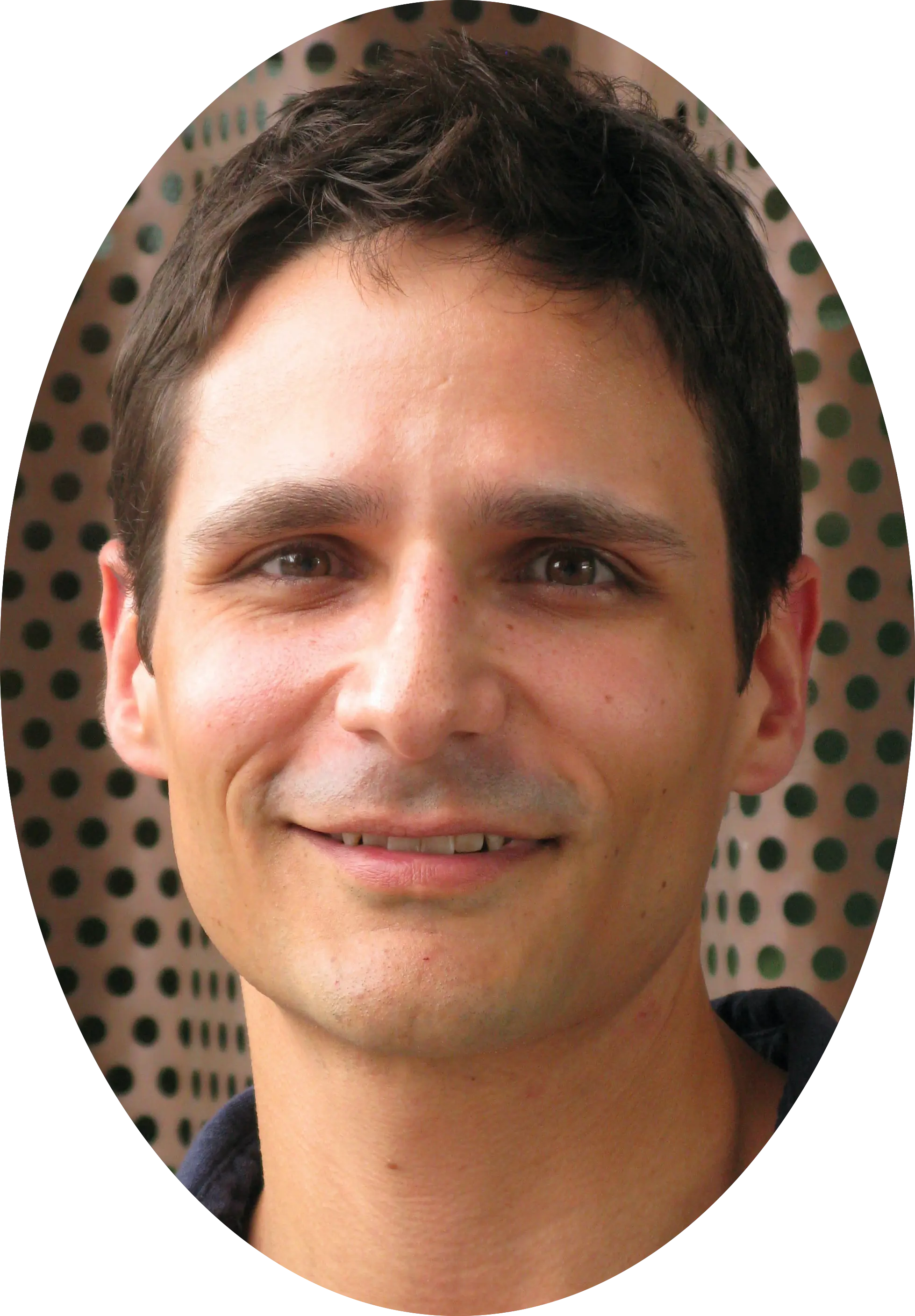
Associate Professor, University of Arizona
Sloan Scholar PhD in Biochemistry
Rice University
Mechanisms of Mitotic Chromatin Binding by the Papillomavirus L2 Protein
“HPV must deliver its viral genome (vDNA) to the nudeus of host cells to initiate infection. The minor capsid protein L2 achieves this task by complexing with the vDNA (L2/vDNA) and acting as a chaperone to dictate the intracellular trafficking of the vDNA during infection. In order to enter the nucleus of mitotic (dividing) cells, L2 tethers to cellular chromosomes. This tethering is achieved through a small "chromosomal binding region" (CBR within L2, although the details of this process and the cellular binding partners through which L2 docks onto mitotic chromosomes are unknown. Herein we propose to study the chromosomal binding of L2, define the CBR function via mutagenesis and binding assays, and identify the cellular binding partners using mass spectrometry and proteomics approaches. ”

Assistant Professor, SUNY: Farmingdale State College
Sloan Scholar PhD in Civil and Environmental Engineering
City College of New York
"This study seeks to numerically model laser-plasma interactions via supercomputer simulations to understand the dynamics of high intensity lasers in a laser-plasma system. Numerical modeling offers a tool to understand complex high-energy interactions when particle accelerators are not easily accessible. Because the interaction is complex and nonlinear, we use supercomputer resources provided by the Computer Science Initiative Department at Brookhaven National Laboratory to simulate the full laser-plasma interaction. The laser-plasma mechanism to be simulated in a longitudinal collision of two high intensity short pulses traveling along a channel filled with either preformed plasma or a neutral target. As the beams collide, high-energy fields are generated during the interference of the pulses and energy is released as an emission of coherent radiated burst reaching several millijoules in the terahertz spectral band. In particular, two main scenarios will be analyzed, both involving a suitable computational environment that reproduce a plasma channel geometry. In the first case, the numerical representation of preformed plasma is implemented, and in the second, a numerical model of a neutral target that will undergo ionization process during the interaction with the laser beams will be studied. Furthermore, I will study the non-linear quantum electrodynamic effects on laser-plasma interactions. Specifically, I will develop an optimized 3D particle-in-cell code and observe the distribution of charges. This project will provide a complete set of 3D images, simulated parameters affecting the behavior of laser-plasma interactions and a research tool such as the SPACE code to validate experimental results."

Assistant Professor, San Juan Bautista School of Medicine
Sloan Scholar PhD in Biology
University of Puerto Rico, Rio Piedras
Structure-activity relationship of pentacyclic triterpenes against chemoresistance and metastasis on non-small cell lung carcinoma
"Cisplatin (CisPt) is the first line chemotherapy for lung cancer. However, the acquired resistance (AR) during chemotherapy is one of the leading causes that limit the eradication of malignant cells in resistant tumors. Recently, phytochemicals as triterpenes have shown a wide spectrum of pharmacological activities. In this work, our main objective is to reduce Pt resistance in lung carcinoma using commercially available natural triterpenes. In our case,we selected the following triterpenes: oleanolic acid, ursolic acid, betulinic acid, asiatic acid, lupeol and betulin, which all of them have a similar pentacyclic structure with changes in the adjacent functional groups. We selected to study the effects of these triterpenes to overcome resistance and metastasis based on the results of our data article that demonstrated their good cytotoxicity profile on a non-small cell lung carcinoma (NSCLC) line (Delgado et. al., 2019). We aim to continue these studies focused on the structure-activity relationship in a NSCLC line (the deadliest type of cancer worldwide). Our methodology will focus on 2D and 3D in vitro culturing of lung cancer cells. This work’s significance and innovation is laying the groundwork for studies using six triterpenes to determine the importance of small chemical group changes in the anticancer activity. From our studies, we expect these triterpenes to outperform CisPt alone at decreasing AR and metastasis. The long-term goal of this proposal is showing the potential use of phytochemical triterpenes as an adjuvant or concomitant therapy to diminish metastasis and drug resistance induced by chemotherapy."

Assistant Professor, University of Maryland
Sloan Scholar PhD in Environmental Sciences
University of Arizona, Tucson
Where are the boundaries? Using Phytoscreening as a tool to delineate PFAS concentrations in the vadose zone
"The list of organic and inorganic contaminants that exist in different environments (i.e., in water, soils, sediments, and air) is vast and growing on a global scale. In particular, Per- and Polyfluoroalkyl Substances (PFAS), collectively known as “forever chemicals'', are one of many classes of environmental organic contaminants of imminent concern to human-environmental health. PFAS represents between 5,000 and 10,000 identified chemical molecular formulas. A total of 4,730 chemicals have been identified by their PFAS-related CAS numbers, but this list is not exhaustive of the compounds in use and not registered globally. As researchers continue to identify, quantify, and characterize these compounds, all tools and methods of identification must be explored. This includes the use of phytoscreening. Phytoscreening is utilizing plants as a tool to delineate the boundaries of a contaminant in the vadose zone. This low cost tool is useful as many feasibility studies and site assessments can be quite expensive. Additionally, determining concentrations of known contaminants found in plant tissue can be assessed for remediation strategies. Select plant species are hyperaccumulators of known contaminants (e.g., jatropha curcas and mercury) and thus can be used to remove these contaminants while monitoring the concentrations over time."
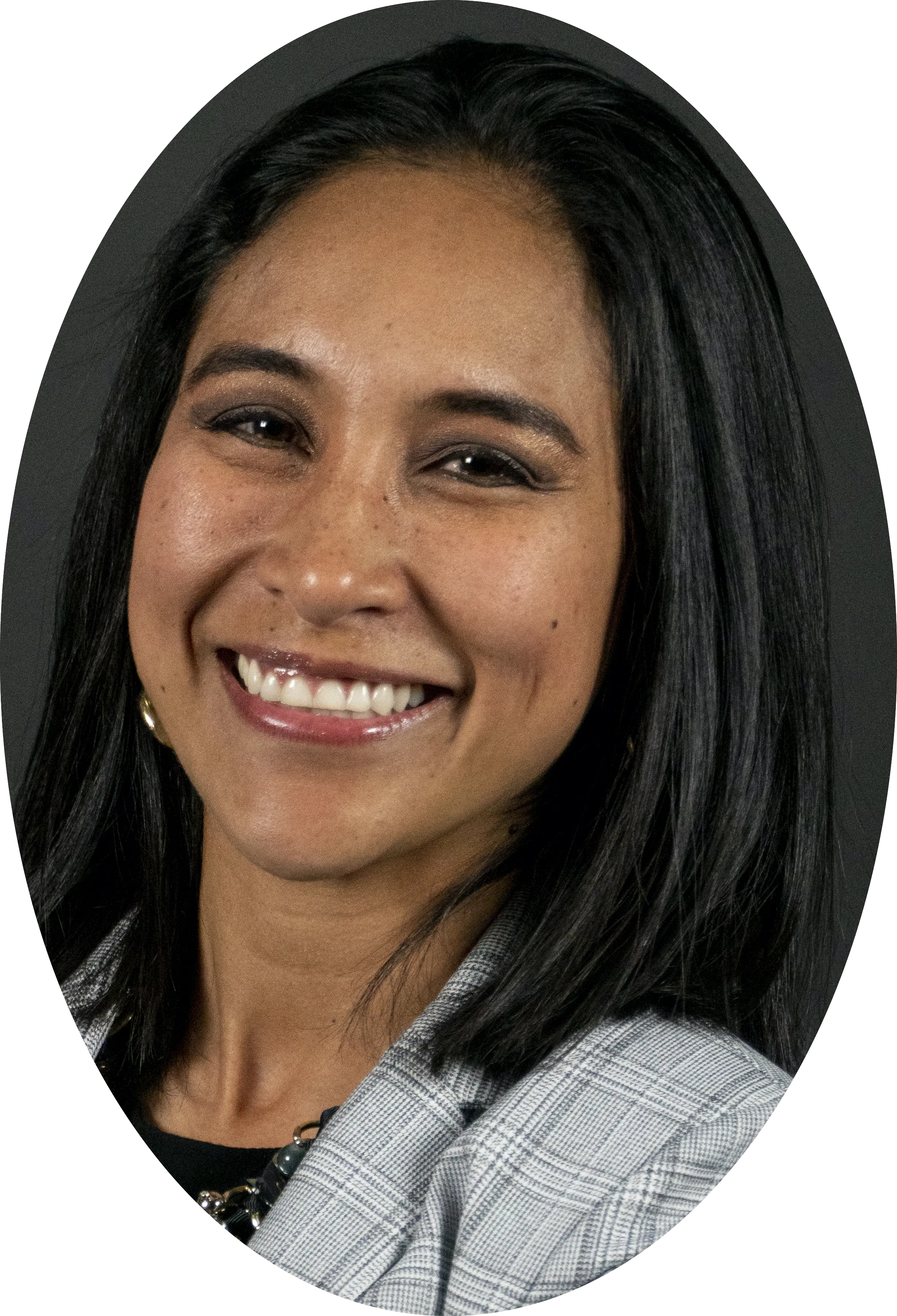
Assistant Professor, North Carolina State University
Sloan Scholar PhD in Bioengineering
Texas A&M University
Full Season Sweetpotato Data Lifecycle Analysis
"Perform in-field real-time translational research to improve yields for sweetpotato amidst a changing climate and a growing population through data analytics of satellite, aerial and ground sensor collection. Impact: increase food production, decrease the use of synthetic herbicides, pesticides and fertilizers, and increase rural economies. Objectives: 1) Leverage knowledge from precision agriculture experts, existing research collaborations with industry, and data analytics skills in the IDEALS Lab towards sustainability. 2) Collect, process, store, manage, analyze, visualize, and interpret heterogeneous datasets in the data lifecycle of growing sweetpotatoes. 3) Prepare preliminary data and statistically significant analysis to predict the factors that affect sweetpotato yield and quality (shape and size). 4) Submit a larger grant proposal with supporting preliminary data and analysis to expand this project."
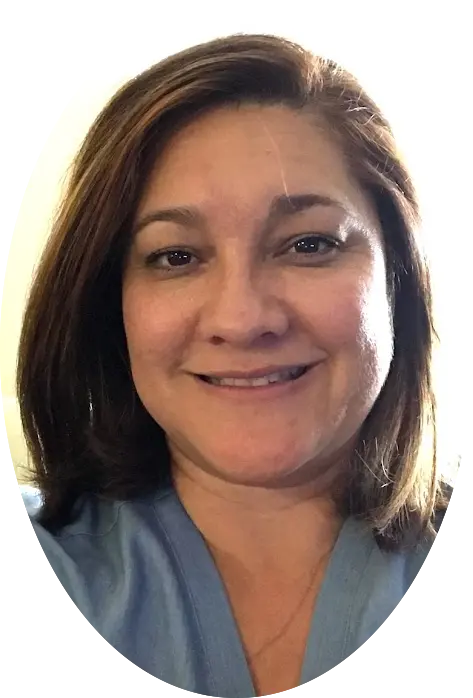
Associate Professor, University of the Incarnate Word
Sloan Scholar PhD in Biological Sciences
University of Texas, San Antonio
Anatomy In String: An Active Approach to Learning Anatomy using a Three-Dimensional Learning Tool
Anatomy is a difficult subject for many students in the health professions to master, yet mastery is essential in the development of competent, evidence-based practitioners. One of the anatomical structures that has historically given students a difficult time to learn is the brachial plexus and its terminal nerves into the arm, forearm, and hand. To facilitate anatomy learning of the brachial plexus, a three-dimensional brachial plexus board was created to build and rebuild the anatomy of the plexus in string. The purpose of this project is to research the effectiveness of using the brachial plexus board to learn the intricacies of the plexus and apply anatomy learned to clinical reasoning. Due to positive feedback obtained while conducting a pilot study on a cohort of physical therapy students, another goal of this project is to create additional teaching models that target other anatomical regions, such as the lumbosacral plexus, vasculature to the brain, and spinal cord tracts. At a professional level, project goals include developing a line of research within the scholarship of teaching and learning that will support my development and promotion as an instructor and in becoming a leader in anatomy teaching through attending conferences and dissemination of research results.
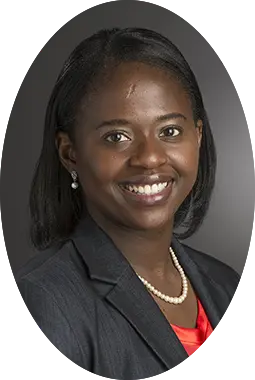
Associate Professor, Rochester Institute of Technology
Sloan Scholar PhD in Industrial and Systems Engineering
University of Michigan, Ann Arbor
Exploring how immigrant entrepreneurs survive and thrive in a post-Covid environment
"This study will address important questions concerning the economic and social adaptability of immigrant entrepreneurs -- amidst macro-level challenges -- towards building a more inclusive and vibrant economy. The study will contribute both theoretically and empirically to our understanding of how immigrant entrepreneurs thrive in and adapt to unpredictable, and even unprecedented occurrences. Support from this grant will enable us to conduct this very timely study."
Assistant Professor, Mt. San Antonio College
Sloan Scholar PhD in Wildlife & Fisheries Sciences
Texas A&M University
Exploring plant-microbe symbioses between invasive and Native California plants pre- and post-restoration to improve local restoration practices
"The complex interactions between soil microbes and plants drive patterns of biodiversity, ecological succession, and nutrient cycling. Microbial necromass contributes to soil organic matter, playing an important role in soil nutrition, plant growth and plant reproduction. Restoration efforts aim to plant native species to promote plant reestablishment, return of native wildlife and ecosystem services. Ecological restoration methods like use of local soil inoculum aim to reduce establishment of non-native or invasive species. Therefore, the identification of local microbes to improve restoration success and invasive plant management at a local scale is critical for the advancement of the field. We propose to collect and process environmental DNA (DNA in the environment) soil samples to quantify and identify shifts in microbial communities in the presence of invasive and native plant species at sites before and after restoration efforts at Mt SAC Wildlife Sanctuary. We aim to compare microbial communities under each ecological state to identify both negative and positive plant-microbe interactions that contribute to the establishment or lack thereof for invasive and California native species."
Professor, University of Puerto Rico, Mayaguez
Sloan Scholar PhD in Mechanical Engineering
University of Maryland
Cold Gas Spraying copper metal on AlN ceramics as an alternative to thick DBC substrates for Power Electronics
"The use of wide bandgap semiconductors (chips), such as SiC, for electric vehicles is poised to make power electronics components smaller and more reliable than their Si-based counterparts. They can operate at higher temperatures and switching frequencies; but, their packaging requires significant technical improvements and development to satisfy their demand. To overcome the limitations of current fabrication, a cold gas spraying technique is proposed as a new additive manufacturing approach to manufacture ceramic substrates with copper metallization. CGS is an additive manufacturing process that relies on powder consolidation, which differs from thermal spray because sprayed powder particles are below their melting temperature, thus enabling direct deposition of circuits of virtually any thickness. Although CGS is mainly used for coatings on metal surfaces, some initial work by our group has already been done on ceramics, however the bonding mechanisms in CGS are still to be fully understood. With the support of this grant, we will investigate the fundamental bonding mechanism at the interfaces using characterization techniques such as scanning electron microscopy, energy dispersive spectroscopy, and electron backscatter diffraction..."

Professor, University of Puerto Rico, Rio Piedras
Sloan Scholar PhD in Chemistry
University of Puerto Rico, Rio Piedras
The development of new laboratory practices for organic chemistry course focused on the synthesis of ferrocenyl derivatives using esterification and F-C Acylation reactions.
"The project goal is the development of chemistry education projects with applied biological research. We have plan to develop Chemistry Education Research in Organic Chemistry (CEROC). We have proposed the following research goals: the development new undergraduate laboratory experiments for the synthesis of ferrocenyl derivatives using esterification and F-C Acylation reactions, assess student learning and performance during the new laboratory experiments and apply the results of theses reactions to the synthesis of new ferrocenyl-steroids derivatives and study their potential use as anticancer agents against breast cancer. We expect to provide undergraduate minority students at my home institution with the opportunity to perform impactful research while learning organic chemistry."

Assistant Professor, Fairleigh Dickinson University
Sloan Scholar PhD in Biology
Pennsylvania State University
Using RNA interference to identify genes that regulate cell migration.
"The main goal of this project is to clarify the mechanisms through which the WAVE pathway controls the process of cell migration. WAVE has been linked to several diseases, which include numerous cancers and several neurodegenerative diseases...There is an established method of using RNA interference (RNAi) to identify genes that function in specific pathways. RNAi is a method of silencing gene expression. Our lab has an RNAi library that contains clones for 2000 genes. Using the nematode Caenorhabditis elegans as a model organism, we will perform an RNAi screen to identify genes that function in the WAVE pathway during embryonic development. The WAVE pathway controls the ventral enclosure step of embryogenesis, which allows the epidermis to migrate and seal in internal organs. If ventral enclosure fails, the embryos die."
_____
Career Developemnt Grants (up to $5,000)
Assistant Professor of Instruction, University of South Florida
Sloan Scholar PhD in Chemical Engineering
University of South Florida
Retention and Academic Progression of Female Engineering Students
"This project aims to improve the retention and academic progression of first-time-in-college female students in the college of engineering at the Univerisity of South Florida. Specifically, a pilot study is proposed to investigate the impact of integrative learning modules and mentoring circles on students. The demographic for this study targets first-generation FTIC first-year female engineering students in the upcoming academic year. The mentoring process involves a three-tiered approach, peer-peer mentoring, and connections to a one-onone female academic advisor and faculty at the student engineering major. All mentors and mentees must participate in frequent workshops and training. In addition, STEM learning modules will be developed to support mentees with any challenging core courses and to build relevant soft skills intentionally. Overall, this grant would allow the establishment of a repertoire and depository of materials to support learning. Intensive workshops and mentoring sessions would employ integrated intervention between students and faculty in an attempt to bridge the gap between the tier levels, mitigate lack of academic preparedness, and ultimately reduce student attrition rates in the college of engineering."